AI video analytics: what it does with your cameras
Ordinary cameras record everything and tell you nothing. AI video analytics watches the picture for you: it recognises people and vehicles, sends an alert only when it matters, and lets you find a moment by describing it. Here is how it works, what it needs and where it pays off.
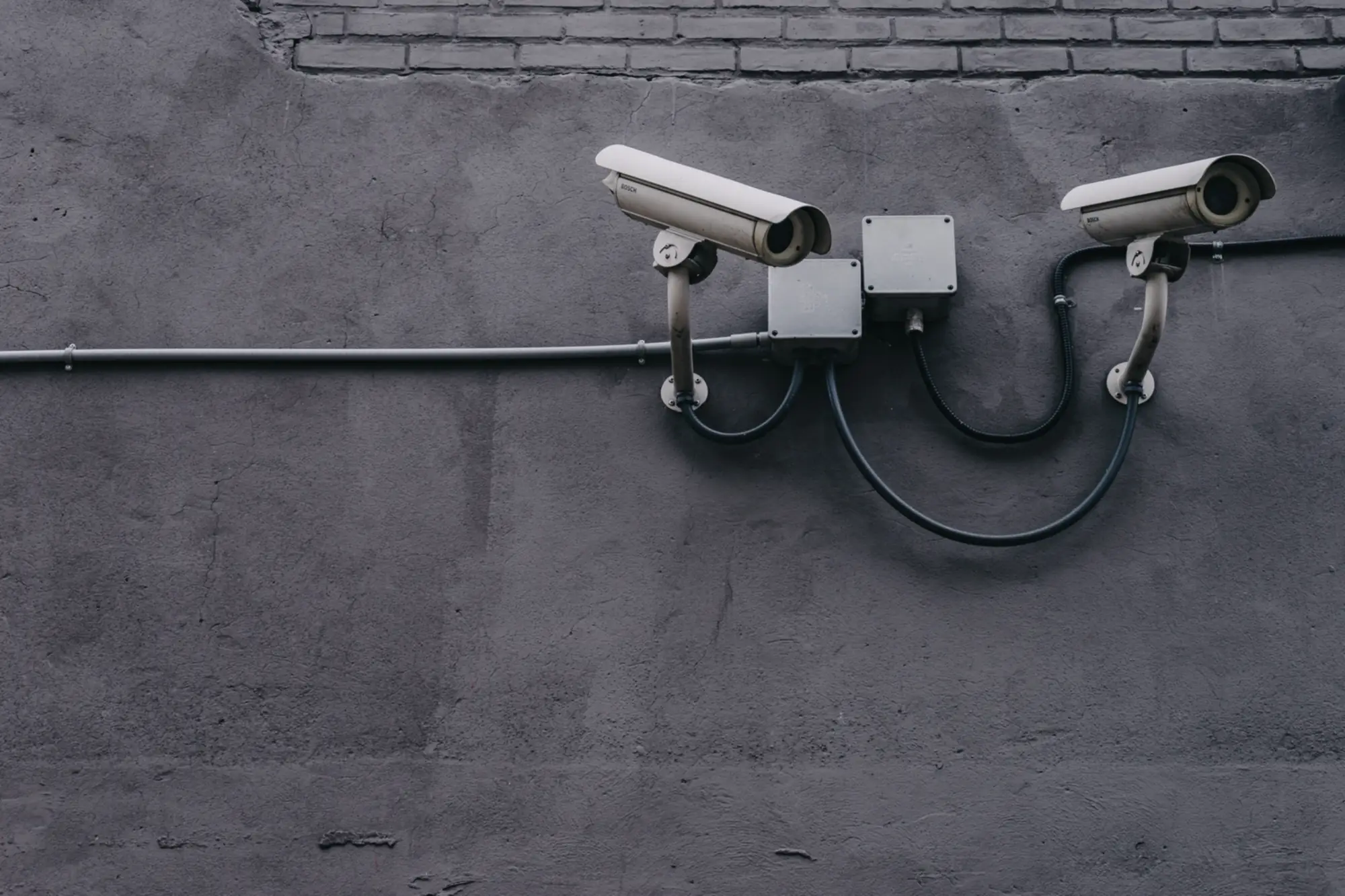
How it differs from motion detection
Classic motion detection reacts to any change in the picture: a shadow, rain, a tree in the wind, car headlights. After a week of useless alerts most owners switch them off.
AI detection recognises what is in the picture. It reacts to a person or a vehicle and ignores the rest, so the alerts that reach your phone are worth reading.
What it can do
Send an alert when a person or a vehicle appears in a zone you choose, during the hours you choose: the back door after closing, the parking at night, the warehouse on Sunday.
Find a moment in hours of recordings when you describe it, such as “a person carrying a white bag”, instead of scrolling through the whole day.
Tell you when a camera stops recording, so a dead camera is noticed the same day, not after something happens.
Where it pays off
Hotels and guesthouses: entrances and parking at night. Shops: the hours after closing. Restaurants: the back door and the storeroom. Building sites and warehouses: anyone on site outside working hours. Offices: the entrance when nobody should be there.
In each case the value is the same: you hear about the one moment that matters, instead of owning recordings nobody watches.
What it needs
IP cameras, often the ones you already have, a recorder in your building that runs the detection, and a network for the cameras that is separate from guest Wi-Fi.
Internet is needed only for phone alerts and remote viewing. Recording and detection keep running in the building without it. Older analog cameras usually have to be replaced.
Privacy and the rules in Georgia
With our setup the video is processed on the recorder in your building and is not sent to a cloud service.
Georgian personal data law sets rules for cameras: people must be informed with visible signs, employees must be told about cameras at work, and places like toilets and changing rooms are off limits. We plan camera placement and signs with this in mind. For your specific case, check with a lawyer.
What it cannot do
AI is only as good as the picture. A camera pointed into the sun, a dark yard without lighting or a camera too far away will give poor results, which is why placement is planned first.
It does not replace a guard or the police. It makes sure that the right person knows about the right moment quickly.
See what AI can do with your cameras
Tell us how many cameras you have and what they watch. We check whether they work with AI and tell you plainly what it would take.
The service: AI cameras